When you peel back the layers of any successful product, from groundbreaking software to meticulously engineered hardware, you'll find a common thread: a profound understanding of Detailed Specifications, Features, and User Experience. These aren't just buzzwords; they're the foundational pillars that elevate an idea from a whisper to a market-leading roar. Without a clear blueprint, even the most brilliant concepts can falter, leading to wasted resources, frustrated teams, and ultimately, products that nobody truly needs or enjoys using.
This guide isn't about theory for theory's sake. It's about giving you a practical, human-first roadmap to define, build, and deliver products that resonate deeply with users and achieve tangible business success.
At a Glance: Crafting Products That Connect
- Specs, Stories, Criteria: Understand the distinct roles of detailed specifications, user stories, and acceptance criteria in defining product requirements.
- User-First Always: Learn to build from user needs, not assumptions, observing pain points and measuring impact.
- Structured Development: Follow a clear feature lifecycle, from design and validation to testing and deployment.
- Smart Prioritization: Master techniques like ROI estimation and priority matrices to focus on what truly matters.
- Avoid Common Traps: Steer clear of pitfalls like technical over-engineering or mistaking capabilities for features.
- Iterate and Validate: Embrace continuous feedback loops and early, frequent testing to refine your product.
Why Clarity isn't a Luxury, It's a Necessity
Imagine building a house without blueprints. What happens? Misunderstandings between architects and builders, walls in the wrong place, plumbing that doesn't connect, and a chaotic, over-budget nightmare. In product development, especially with software, the consequences are strikingly similar. Ambiguity is the enemy of progress, breeding bugs, rework, and features nobody asked for.
The core problem we're solving here is preventing that chaos. By meticulously defining our product through specifications, user stories, and acceptance criteria, we establish a shared understanding, a single source of truth that guides every team member, from designer to developer to QA. This clarity reduces risk, saves time and money, and most importantly, ensures the final product genuinely solves real user problems.
The Trio of Truth: Specifications, User Stories, and Acceptance Criteria
These three elements are the bedrock of effective product definition. While distinct, they are deeply interconnected, forming a cohesive strategy for bringing features to life. Think of them as zooming in from a high-level vision to the granular detail needed for execution.
Detailed Specifications: The Blueprint for "What"
Specifications are precise descriptions of what a feature must do. They serve as the formal requirements that development teams adhere to, ensuring every stakeholder understands the feature's scope, its interactions with other system components, and its expected behavior.
Key Principles for Powerful Specifications:
- Clarity: Leave no room for interpretation. Explain precisely what's needed, using unambiguous language. Avoid jargon where simpler terms suffice. For instance, instead of "implement user authentication," specify "Users must be able to log in with an email and password, receive a password reset link, and remain logged in for 30 days."
- Completeness: Anticipate all possible scenarios—both positive and negative. What happens if a user inputs incorrect data? What if the system goes offline? Listing these edge cases upfront drastically reduces surprises down the line and makes testing much more robust.
Well-written specifications prevent costly misunderstandings, mitigate bugs, and ensure consistency across the entire product. They provide the detailed requirements that development needs to start building with confidence.
User Stories: The Narrative of "Why"
While specifications define what a feature does, user stories explain why it matters, focusing on the value it brings to a specific user. They are short, high-level descriptions of desired functionality, written from the end-user's perspective.
The classic format is simple yet powerful: "As a [type of user], I want to [a specific outcome] so that I can [a clear benefit]."
Example:
- "As a Photographer, I want to be able to upload up to 10 images in a post to my profile so that I can showcase a full event or series in one go."
User stories are easy to understand and provide a human context for the technical work. They facilitate better estimation by the development team and keep the focus firmly on the user's needs and desired outcomes. They also encourage empathy, ensuring that solutions truly serve those who will use them.
Acceptance Criteria: The Checkpoints for "Done"
Acceptance criteria are the formal conditions that must be met before a user story (and thus, a feature) is considered complete and ready for release. These are concrete, testable statements derived directly from the user story's requirements, serving as a checklist for quality assurance (QA) and product managers.
Why Acceptance Criteria are Indispensable:
- Verification: They provide clear guidance for testing, ensuring the feature behaves as expected under various conditions.
- Estimation Aid: By forcing teams to consider potential failure scenarios and edge cases upfront, they improve the accuracy of effort estimations.
- Quality Assurance: They act as a contract between the product team and developers, defining the specific benchmarks for successful implementation.
Example (for the Photographer user story): - Scenario: Photographer uploads images to a post.
- Given I am a logged-in Photographer
- When I create a new post and select 10 images
- And I click "Publish"
- Then all 10 images are successfully uploaded and displayed in my post.
- And the post appears on my profile.
- Scenario: Photographer attempts to upload too many images.
- Given I am a logged-in Photographer
- When I try to select 11 images for a single post
- Then I receive an error message stating "You can only upload a maximum of 10 images per post."
- And I am prevented from selecting the 11th image.
Together, these three tools—specifications, user stories, and acceptance criteria—form a robust framework. They collaboratively define what the software should do, why it matters, and how its successful completion will be verified, creating a truly transparent and accountable development process.
The Feature Development Journey: Principles for Success
Building a great product isn't a one-and-done event; it's a dynamic lifecycle. From the initial spark of an idea to its deployment and ongoing monitoring, each phase offers opportunities to refine and enhance the Detailed Specifications, Features, and User Experience.
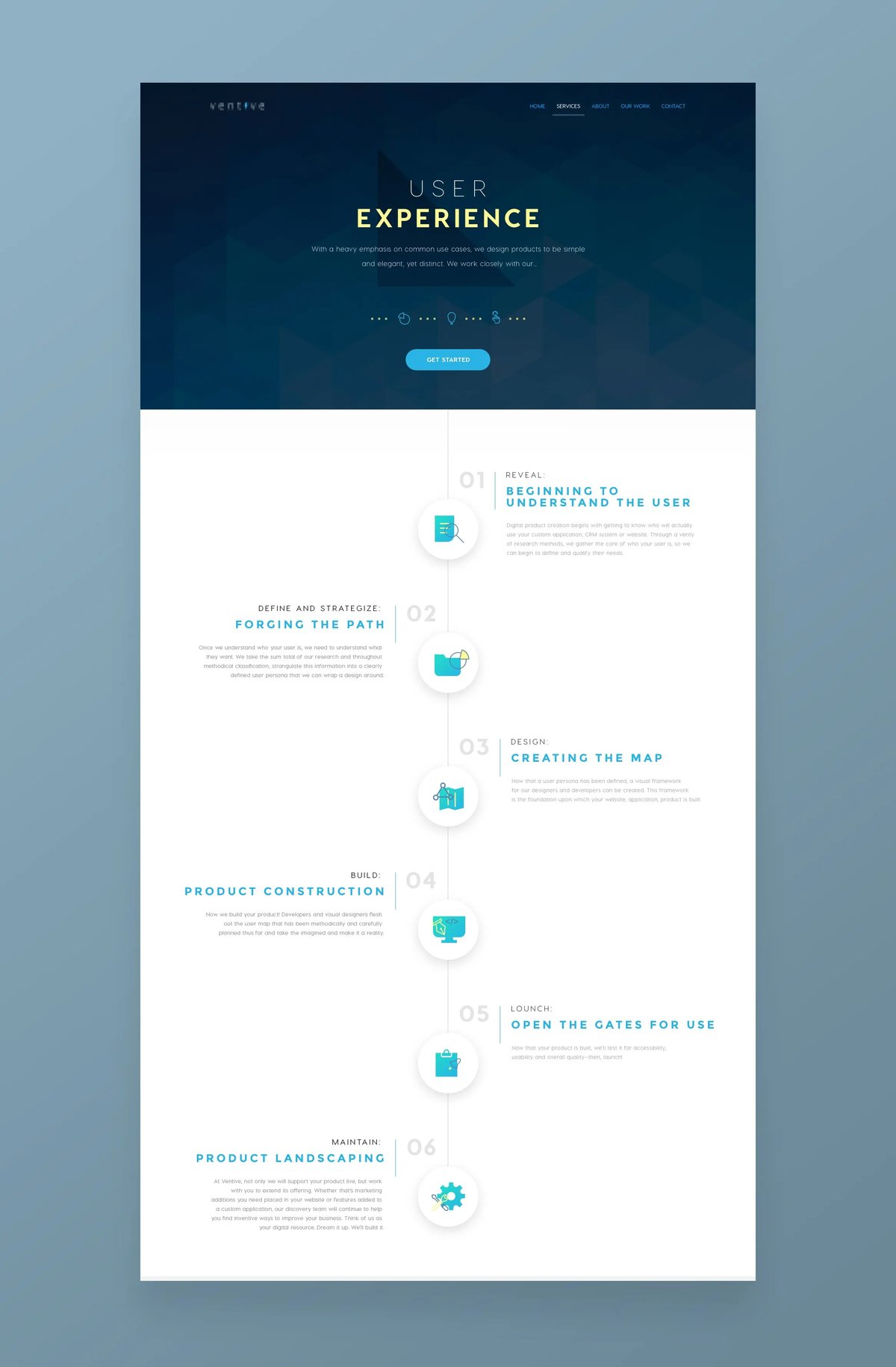
The typical lifecycle includes: Design, Validate, Specify, Implement, Test, Deploy, and Monitor. Robust feature specification is not just a phase; it's a mindset that permeates the entire journey, ensuring clarity and purpose at every step.
Four Core Principles for Feature Specification
- User-centric Problem Solving: This is non-negotiable. Don't assume you know what users want. During the Design and Validate phases, get out there and observe real users struggling. Measure their pain points, identify their unmet needs, and then, and only then, design solutions. A feature built on assumption is a house of cards.
- Clear Success Metrics: How will you know if your feature is a triumph or a flop? During the Specify phase, define specific, measurable, achievable, relevant, and time-bound (SMART) criteria for success. For example, "reduce user setup time by 50%," "increase daily active users by 15%," or "boost conversion rates by 5% within the first month."
- Incremental Delivery: The idea of building a massive, all-encompassing feature in one go is a relic of bygone eras. Break down large features into smaller, testable, and deliverable pieces during the Specify phase. This "minimal viable feature" approach allows you to deliver immediate value, gather feedback quickly, and significantly reduce project risk. Think of building a complex machine: you assemble and test components individually before putting the whole thing together.
- Continuous Validation: Never stop testing. Integrate multiple rounds of feedback during the Test phase, engaging real users early and often. This isn't just about catching bugs; it's about validating that the feature truly solves the user's problem and provides the intended benefit. The sooner you get real user feedback, the cheaper and easier it is to make necessary adjustments.
A Structured Approach to Feature Specification
Before diving into the nitty-gritty, successful teams begin with three foundational questions that anchor their efforts:
- What problem are we solving? Be crystal clear. If you can't articulate the problem simply, you don't understand it well enough.
- Why is this valuable? What is the return for the user? For the business? What impact will it have?
- Who will use this? Define your target audience. Understanding their context, goals, and limitations is paramount.
Best Practices for Crafting Standout Features
- User-First Approach: Again, it bears repeating. Focus on outcomes, not just outputs. Observe users, conduct interviews, and measure the tangible benefits they gain, such as time saved or frustration reduced. This directly contributes to a superior User Experience.
- The Focus Formula: One feature, one clear value. Resist the temptation to make a single feature do too much. Break down large, complex capabilities into smaller, distinct features, each with a singular purpose. Set clear boundaries to avoid scope creep and ensure each piece delivers focused value.
- The Feedback Loop: Establish robust channels for continuous feedback. Test early, listen actively to user input, and be prepared to iterate quickly. This agile mindset allows for rapid adaptation and ensures your product evolves in lockstep with user needs. Just as a musician refines a song through countless rehearsals, your product will benefit from constant refinement.
To further refine your feature specification process, consider these powerful tools: - The Feature Map: A visual representation that illustrates the connections between different features, their dependencies, and how they contribute to the overall product experience. This helps identify gaps, redundancies, and potential areas for simplification.
- The Priority Matrix: A vital decision-making tool that helps you rank features based on key dimensions like user value, business impact, and development effort. This ensures you're investing resources in the most impactful areas, preventing teams from chasing low-value features.
- The Test Matrix: A detailed plan outlining scenarios to verify feature flows and validate intended outcomes. This goes beyond simple bug testing, ensuring the feature meets its acceptance criteria under diverse conditions.
By adopting these practices and tools, you'll move beyond just listing requirements to building features that are strategic, user-centric, and truly impactful.
The Business Imperative: Estimating Pre-Development ROI
Before you commit significant resources to detailed feature specification and development, it's crucial to estimate the potential Return on Investment (ROI). This isn't just about financial numbers; it's about prioritizing features that align with overarching business goals and deliver maximum value. It's a critical step in deciding which features make it into your Sixth generation iPod Classic guide-level product strategy.
This estimation involves a multi-faceted approach:
- Cost Analysis: What will it really take to build and maintain this feature?
- Development Time & Resources: Developer hours, specialized skills, third-party integrations.
- Infrastructure & Tools: New servers, software licenses, platform fees.
- Maintenance & Support: Ongoing bug fixes, updates, customer support training, and personnel.
- Integration: How will it connect with existing systems?
- Testing: QA time, automated test suite development.
- Training: For internal teams and potentially users.
- Value Assessment: What quantifiable and qualitative benefits will this feature bring?
- Direct Revenue Impact: New sales, increased average order value, subscription upgrades.
- Time Saved for Users: Increased efficiency, reduced manual effort, faster task completion.
- Customer Satisfaction Improvements: Higher NPS scores, reduced churn, positive reviews.
- Competitive Advantages: Market differentiation, entry into new segments, improved brand perception.
- Operational Efficiency: Reduced internal costs, streamlined workflows.
- Risk Evaluation: What potential roadblocks or negative impacts could arise?
- Technical Complexity: Is it feasible? Are there unknown dependencies?
- Market Timing: Is the market ready for this? Will competitors beat us to it?
- Resource Availability: Do we have the right skills and bandwidth?
- Dependencies: Does it rely on other features, systems, or external partners?
- Blockers: Any regulatory, legal, or internal policy hurdles?
- Success Metrics: How will we measure its actual impact post-launch?
- Key Performance Indicators (KPIs): Specific, measurable metrics directly tied to value (e.g., "reduce bounce rate on checkout by 10%").
- User Adoption Targets: How many users do we expect to use this feature, and by when?
- Business Impact Measurements: Direct revenue, cost savings, customer retention rates.
- Time-to-Value Expectations: How quickly do we anticipate seeing the desired benefits?
By rigorously evaluating these factors, you can make informed decisions, prioritize features effectively, and ensure your development efforts are always aligned with strategic business objectives. This isn't about perfectly predicting the future, but about making the most educated bets possible.
Navigating the Minefield: Common Mistakes to Avoid
Even the most experienced teams can stumble. Being aware of common pitfalls in feature specification and product development can save you immense headaches and resources.
- Capability Confusion: The Broad Stroke Trap
- Mistake: Confusing a broad capability with a distinct, implementable feature. For instance, "We need Project Management" is a capability. It's too vague to build.
- Solution: Break capabilities down into concrete, actionable features that deliver specific value. Instead of "Project Management," think: "As a Project Manager, I want to assign tasks to team members," or "As a Team Member, I want to mark tasks as complete." Each is a small, deliverable feature contributing to the larger capability.
- The Technical Trap: Over-Engineering from Day One
- Mistake: Starting with low-level technical details (e.g., database schemas, API structures) or over-engineering a solution before fully understanding the problem and validating the simplest approach.
- Solution: Keep the initial focus on the user problem and the desired outcome. Build the simplest version first, validate it with users, and iterate. Technical details should follow the "what" and "why," not dictate them. Avoid premature optimization; build for today's known needs, and architect for flexibility, not for every hypothetical future need.
- The User Blindspot: Building in a Bubble
- Mistake: Developing features based on internal assumptions, stakeholder opinions, or "gut feelings" without first engaging with real users or understanding their actual pain points.
- Solution: Actively seek out user feedback at every stage. Conduct interviews, usability tests, and surveys. Observe users in their natural environment. If you don't know who your users are or what problems they face, stop building and start researching. Features built in a vacuum rarely succeed in the real world.
These common mistakes highlight a crucial point: success hinges on a human-centered, iterative, and strategic approach. The tools and frameworks we've discussed are designed to help you avoid these traps and build products that genuinely delight.
The Bigger Picture: Connecting to Enterprise Architecture
While our focus has been on the detailed mechanics of features, it's important to remember that these efforts don't exist in a vacuum. Effective feature specification, deeply rooted in understanding Detailed Specifications, Features, and User Experience, aligns seamlessly with established enterprise architecture frameworks.
Frameworks like TOGAF (The Open Group Architecture Framework), the Zachman Framework, Agile Architecture, and ISO/IEC/IEEE 42010 provide overarching structures for designing, planning, implementing, and governing an enterprise's information technology architecture. Your granular work on user stories and acceptance criteria contributes directly to the "Business," "Application," and "Data" architecture layers often defined in these frameworks. They ensure that individual features are not just functional but also fit within a coherent, scalable, and sustainable enterprise strategy. By adhering to sound specification practices, you're not just building a feature; you're contributing to a robust architectural foundation.
Your Next Steps: From Vision to Value
Mastering Detailed Specifications, Features, and User Experience isn't about rigid adherence to a checklist; it's about cultivating a mindset. It's about empathy for your users, clarity in your communication, and a relentless pursuit of value.
Now that you've grasped the fundamental principles, tools, and pitfalls, it's time to put this knowledge into action. Start small. Pick one upcoming feature in your backlog and apply these techniques.
- Begin with the User: Clearly define the user, their problem, and the value your feature will deliver.
- Draft with Precision: Write concise user stories, expand them with clear specifications, and lock down your acceptance criteria.
- Estimate and Prioritize: Use ROI estimation and priority matrices to ensure this feature truly warrants development.
- Validate Constantly: Get early feedback, test thoroughly, and be prepared to adapt.
The path to building successful products is paved with clarity, collaboration, and a deep, unwavering commitment to the people who will ultimately use what you create. Embrace this journey, and watch your product ideas transform into impactful, beloved realities.