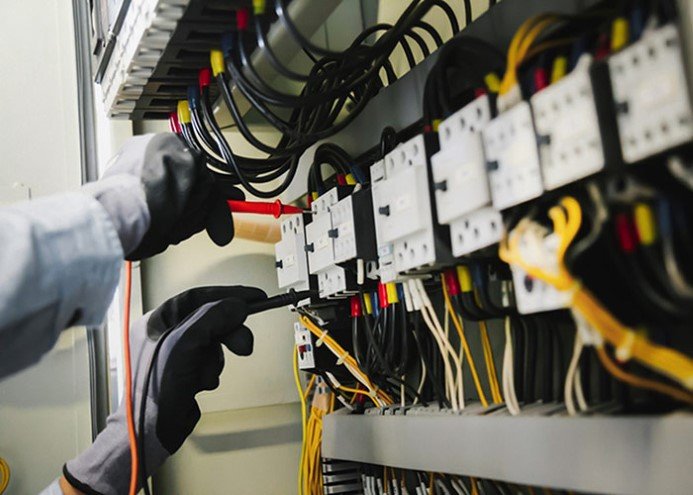
Even the most meticulously built homes encounter hiccups. From a drippy faucet to a mysteriously running toilet, understanding Essential Maintenance, Troubleshooting, and Common Repairs isn't just about saving money – it's about building confidence, fostering self-reliance, and safeguarding your most significant investment. Think of it as developing a conversation with your home, learning to listen to its creaks and groans before they become shouts.
This guide isn't here to turn you into a master contractor overnight, but to equip you with the knowledge and know-how to tackle common household issues with calm and competence. We’ll demystify those daunting tasks, helping you identify what you can handle and, crucially, when it’s time to call in the cavalry.
At a Glance: Your Home Repair Quick-Reference
- Empower Yourself: Basic DIY skills save time, money, and stress.
- Safety First: Always prioritize safety. Turn off power/water when working on electrical or plumbing.
- Know Your Limits: For complex, structural, or high-risk issues, call a professional.
- Essential Tools: A well-stocked toolbox is your best friend.
- Prevention is Key: Regular maintenance prevents most major headaches.
- Diagnosis is Half the Battle: Learn to identify common symptoms and their likely causes.
- Resourceful Fixes: Many common repairs are simpler and cheaper than you think.
Why Your Inner Handyperson Matters (and When to Take a Step Back)
Homeownership is a journey, not a destination. Along the way, things will inevitably break, loosen, or just stop working quite right. Each successful repair, big or small, isn't just a fixed object; it's a notch in your belt of capability. You gain a deeper understanding of your home's systems, a sense of accomplishment, and a substantial saving on labor costs.
However, the line between empowering DIY and potentially dangerous overreach is crucial. Certain issues—like major electrical overhauls, significant structural concerns, or complex HVAC system failures—are best left to licensed professionals. Their expertise, specialized tools, and insurance are invaluable safeguards against further damage, code violations, or personal injury. We'll explore this balance throughout.
The Homeowner's Essential Toolkit: Beyond the Basics
Before you dive into troubleshooting, ensure you have the right arsenal. A well-equipped toolbox makes any repair smoother and safer.
- Basic Hand Tools: Screwdrivers (flathead, Phillips), hammer, adjustable wrench, pliers (slip-joint, needle-nose), measuring tape, utility knife, level.
- Safety Gear: Work gloves, safety glasses, dust mask.
- Specialized Items:
- Plumbing: Plunger, plumber's snake/hand auger, pipe wrench.
- Electrical: Voltage tester, wire strippers.
- General Repair: Caulk gun, putty knife, stud finder, small pry bar.
- Cleaning: Stiff brush, bucket.
- Fasteners & Adhesives: Assorted screws, nails, wood filler, spackling paste, caulk, construction adhesive.
Having these tools on hand prevents frantic trips to the hardware store mid-repair.
Common Home Heroes: Quick Fixes You Can Master
Let's dive into the practical side of home maintenance, breaking down common problems into manageable solutions.
Plumbing Prowess: Taming Water Woes
Water is essential, but when it's going where it shouldn't or refusing to go where it should, it's a major headache.
Unclogging a Drain
Minor clogs are often food scraps, hair, or soap scum.
- The Plunger: For kitchen or bathroom sinks, a good seal and several vigorous plunges can dislodge many blockages.
- The Hand Auger/Plumber's Snake: For more stubborn clogs, a snake can physically break through or retrieve the obstruction. Thread it down the drain until you feel resistance, then crank the handle to advance it. A note for older homes: If you have galvanized pipes, avoid snakes as they can damage the corroded interior; instead, try pouring hot (not boiling) water to loosen blockages.
- P-Trap Cleanout: If the clog is localized in the U-shaped pipe under the sink, place a bucket underneath, loosen the slip nuts by hand or with a wrench, remove the P-trap, clean out the debris, and reattach.
Fixing a Leaky Faucet
A persistent drip isn't just annoying; it wastes gallons of water over time.
- Identify the Type: Most faucets are either cartridge, compression, ball, or ceramic disc. Your fix will depend on this.
- Turn Off Water: Always, always turn off the water supply to the sink (usually under the cabinet) or the main house supply before you start.
- Disassemble: Use a screwdriver to remove decorative caps and screws, then pry off handles.
- Replace Worn Parts: For compression faucets, replace rubber washers. For cartridge faucets, you'll likely replace the entire cartridge. Take the old part to a hardware store to ensure you get an exact match.
- Clogged Aerator: If low water pressure affects only one sink, the aerator (the mesh screen at the faucet's tip) is likely clogged. Unscrew it, rinse out sediment, and replace.
Taming a Running Toilet
The sound of a constantly running toilet is a tell-tale sign of wasted water.
- Identify the Culprit: The issue almost always lies with the flapper valve or the fill valve inside the tank.
- The Flapper: This rubber disc seals the tank's drain hole. If it's old, warped, or doesn't seal properly, water leaks into the bowl. Replacing it is a simple matter of unhooking it from the flush chain and base, then installing a new one.
- The Fill Valve: If the tank continues to fill or water overflows into the standpipe, the fill valve might be faulty or set too high. Adjust the float cup or replace the entire fill valve assembly. Kits are inexpensive and don't usually require a plumber.
P-Trap Patrol: Tackling Leaky Under-Sink Pipes
If you notice a drip directly under your sink, especially from the U-shaped pipe, it's often the P-trap.
- The Fix: Place a bucket underneath to catch water. Loosen the nuts connecting the P-trap to the sink drain and the wall drain. Gently remove the P-trap, empty any sediment, check the rubber washers for wear (replace if needed), and then reattach, hand-tightening the nuts before a final snug with a wrench.
Electrical & Lighting: Shedding Light on Issues
Electrical work demands respect and caution. Always prioritize safety.
Replacing a Light Switch/Fixture
A non-working switch or an outdated fixture is an easy upgrade.
- Crucial Step: ALWAYS turn off the power at the circuit breaker or electrical panel FIRST. Use a voltage tester to confirm the power is off at the switch/fixture.
- Remove Old: Unscrew the cover plate and the switch/fixture itself. Carefully disconnect the wires, noting which color goes where.
- Connect New: Connect the new switch/fixture following standard wiring: ground wire (bare copper or green) to ground, white (neutral) to white, black (hot) to black.
- Special Cases: For dimmer switches or three-way switches (controlled by multiple switches), ensure you purchase the correct type and follow specific wiring diagrams.
Swapping Aging Electrical Outlets
Cracked outlets, loose connections, or flickering lights can indicate a failing outlet.
- Safety First: Turn off power at the circuit breaker and use a voltage tester to confirm the outlet is dead.
- Inspect Wires: Unscrew the old outlet and gently pull it out. Examine the wires for fraying or damage.
- Connect New: Connect wires to the new outlet, ensuring secure connections. Typically, green or bare copper goes to the ground screw, white to the silver screw, and black to the brass screw.
- Test: Restore power and test the outlet.
HVAC & Air Quality: Breathing Easier at Home
Your heating and cooling system is vital for comfort and health.
The Vital HVAC Filter Swap
This is perhaps the simplest, yet most overlooked, maintenance task.
- Why it Matters: A clean filter improves system efficiency (saving energy and money) and significantly enhances indoor air quality by trapping dust, allergens, and pet dander.
- How Often: Check monthly and replace or clean (depending on type) every 1-3 months, more frequently if you have pets, allergies, or during peak use seasons.
- The Swap: Locate your filter slot (often in the return air vent or at the HVAC unit itself). Note the arrow indicating airflow direction. Slide out the old filter, slide in the new one, matching the airflow direction.
Optimizing Your Central AC's Airflow
If your AC blows cold air but the vents have low output, debris could be the culprit.
- Outdoor Unit (Condenser): Ensure the condenser unit outside is free of leaves, grass clippings, and other debris. Carefully clean the coils with a garden hose and a specialized coil cleaner (available at hardware stores).
- Indoor Unit (Evaporator) & Filters: Double-check your HVAC return filters for clogs and replace if necessary. Blocked return airflow restricts the system.
- Vents: Ensure all registers and vents inside the house are open and not blocked by furniture or drapes.
Walls, Floors & Doors: Keeping Things Intact
From structural beauty to daily function, these elements define your living space.
Patching Drywall & Ceilings
Accidental holes or minor cracks are common and easy to fix.
- Small Holes (Nail holes, dents): Use spackling paste. Apply with a putty knife, let dry, sand smooth, and touch up with paint.
- Larger Holes (e.g., fist-sized): Use a drywall patch kit. These typically include a self-adhesive patch, joint compound, and a putty knife. Apply the patch, cover with compound, feather the edges, let dry, sand, and paint.
- Ceiling Cracks: For drywall, apply a thin layer of drywall compound. For plaster, cover with new plaster. Sand and paint. Important: Large, spreading cracks or a bowed ceiling may indicate structural issues, which absolutely necessitate professional inspection.
Silencing Squeaky Doors & Tightening Hinges
Don't let annoying noises persist!
- Squeaky Hinges: Pull out the hinge pin with pliers (you may need to tap it up from below with a nail and hammer). Coat the pin in a thin layer of petroleum jelly, WD-40, or a non-staining silicone lubricant, then reinsert.
- Loose Hinges: Use a screwdriver to tighten the screws. If the screw holes are stripped or too large, remove the screw, insert a wooden toothpick or wood sliver with some wood glue into the hole, let it dry, then reinsert the screw. This gives the screw something to bite into.
Quiet Your Squeaky Floors
Those irritating floorboard squeaks often result from subfloor nails losing their grip on the joists.
- Access from Below: If you have basement or crawl space access, locate the squeaky area. Have someone walk on the floor above while you listen for the exact spot where the subfloor meets the joist.
- The Fix: Apply construction adhesive between the subfloor and the joist. If there's a visible gap, gently tap a thin wooden shim into the gap, being careful not to push the floor up too much, then secure with a screw or glue.
Replacing a Broken Tile
A chipped or cracked tile is an eyesore and a potential hazard.
- Safety First: Wear safety glasses!
- Remove Old Tile: Use a chisel and hammer to carefully break up and remove the old tile. Start from the center and work outwards. Scrape away old grout and adhesive.
- Prepare Surface: Ensure the subfloor is clean, dry, and level.
- Apply Adhesive: Spread a thin layer of tile adhesive (thin-set mortar) onto the back of the new tile and the exposed subfloor using a notched trowel.
- Set & Grout: Press the new tile firmly into place, ensuring it's level with surrounding tiles. Allow the adhesive to cure completely (check product instructions), then apply new grout around the edges.
Kitchen & Appliances: Keeping the Heart of the Home Happy
From food disposal to refrigeration, these systems are key.
Unclogging the Garbage Disposal
A clogged disposal can quickly lead to a smelly sink.
- Safety First: NEVER put your hand into the disposal.
- The Broom Handle Trick: If the disposal hums but doesn't spin, there's likely a jam. Turn off the power at the switch, then insert a broom handle into the drain opening and push against one of the impellers (the grinding teeth) to try and free it.
- Retrieve Objects: If you see an object (e.g., a spoon), use tongs or pliers to retrieve it, never your fingers.
- Reset Button: Many disposals have a small red reset button on the bottom. If it tripped, push it after clearing the jam.
Bringing a Non-Cooling Fridge Back to Life
Before panicking about a broken fridge, check these common culprits.
- Thermostat Settings: Ensure the thermostat isn't accidentally set too high or turned off.
- Door Seals: Check the door gaskets for tears or gaps. A poor seal lets cold air escape. Test by closing the door on a dollar bill; if it slides out easily, the seal is weak.
- Blocked Vents: Ensure food items aren't blocking the internal vents that circulate cold air.
- Condenser Coils: These are usually on the back or underneath the fridge. Dust and pet hair can accumulate, reducing efficiency. Unplug the fridge and carefully clean the coils with a vacuum cleaner brush attachment.
Outdoor & Exterior: Protecting Your Home's Shell
The exterior of your home battles the elements daily.
Grout and Caulk Refresh
Deteriorated grout and caulk are not just unsightly; they can allow water intrusion.
- Clean Grout: For dingy bathroom grout, mix baking soda with a little water to form a paste. Apply, let sit, then scrub with a stiff brush and rinse.
- Replace Caulk: Old, discolored, or cracked caulk needs replacing. Use a caulk removal tool or a utility knife to carefully cut and peel away the old caulk. Clean the surface thoroughly. Using a caulk gun, apply a new, smooth bead of silicone caulk (choose one resistant to mold/mildew for bathrooms). Smooth with a wet finger or caulk tool.
Patching Leaky Gutters
Leaky gutters can lead to foundation damage or soggy basements.
- Temporary Fix: For small holes or cracks, clean the area thoroughly, then apply an outdoor-rated gutter sealant. This is typically a temporary solution, lasting 1-2 seasons.
- Inspect and Clean: Regularly clear gutters of leaves and debris to prevent clogs that can lead to overflowing and eventual leaks.
Replacing Window Screens
A snagged or torn window screen defeats its purpose.
- The Process: Purchase new screening material and spline (the rubber cord that holds the screen in place). Carefully pull out the old spline from the frame, removing the old screen. Lay the new screen over the frame, gently stretch it taut, and then use a spline roller tool to press the new spline into the channel, securing the screen. Trim any excess screen.
Lubricating Sticky Windows
Old windows can stick due to humidity or temperature changes.
- Freeing Stuck Windows: If truly stuck, try gently driving a wood block between the window sash and the track with a hammer.
- Lubrication: Once free, clean the tracks thoroughly. Then, rub a candle wax stick (or apply a silicone-based lubricant) into the tracks to help the window slide smoothly.
Filling Driveway Cracks
Small cracks in asphalt or concrete can grow into major headaches.
- The Solution: Clean the cracks thoroughly. For tiny asphalt cracks, apply a specialized concrete sealant or resurfacer using a caulk gun or pourable applicator. This prevents water intrusion and further widening. For concrete, use a concrete crack filler.
Reviving Dying Grass
A patchy lawn can often be brought back to life.
- Diagnose: Pull gently on a blade of grass. If it holds firm, it's likely dormant, not dead.
- The Fix: Water deeply and regularly, especially during dry spells. Consider aerating the lawn to improve water penetration and nutrient absorption. Apply an appropriate lawn fertilizer according to product directions.
Repairing a Decaying Deck
A deck with splintered or rotting boards is a safety hazard.
- Assess the Frame: If the underlying support frame (joists, posts) is sound, you can often replace individual deck boards. If the frame itself is compromised, professional help is needed.
- The Swap: Use an impact driver or drill to remove old screws securing the damaged board. Cut a new board to the exact length of the old one. Secure the new board with deck screws, ensuring they are properly countersunk.
Weatherproofing Drafty Windows and Doors
Drafts hike up energy bills and make your home uncomfortable.
- Weatherstripping: Install self-adhesive foam, rubber, or V-strip weatherstripping on door and window jambs. This creates a tight seal when closed, blocking air leaks.
- Door Sweeps: For gaps under doors, install a door sweep.
- Caulking: Inspect exterior window and door frames for cracks in the caulking and reapply where necessary.
Sometimes, keeping objects in top condition requires a specific approach, much like you'd consult an Apple iPod Classic 6th Gen guide to ensure your vintage tech remains pristine. Your home, too, thrives on consistent, targeted care.
Decoding the DIY Dilemma: When to Call a Pro
While many home repairs are within the grasp of a confident DIYer, some situations scream for professional intervention. Ignoring these signals can lead to larger problems, safety hazards, or costly mistakes.
Safety First: Electrical and Gas
- Complex Electrical Work: Beyond replacing switches or outlets, anything involving new wiring, panel upgrades, or issues that trip breakers frequently should be handled by a licensed electrician. Electrical fires and shocks are serious risks.
- Gas Appliances/Piping: Never attempt to repair gas lines, water heaters, or furnaces if you suspect a gas leak or if the repair requires specialized knowledge of gas systems. Always call a qualified technician immediately.
Structural Integrity: Roofs and Foundations
- Roof Repairs: Missing or cracked shingles can lead to leaks, but accessing and repairing a roof can be dangerous. If you notice leaks inside, sagging areas, or extensive damage, call a professional roofer. They have the safety equipment and expertise.
- Major Ceiling Cracks/Bowed Ceilings: While small drywall cracks are DIY-friendly, large, spreading cracks or a noticeably bowed ceiling could indicate structural problems with your home's foundation or framing. These require professional assessment to prevent catastrophic failure.
- Foundation Issues: Cracks in your foundation, uneven floors, or doors/windows that no longer close properly are serious indicators of structural shifts. These require a structural engineer or foundation repair specialist.
Complex Plumbing & HVAC
- Persistent Leaks/Burst Pipes: While you can fix a P-trap, major pipe leaks, especially hidden ones or burst pipes, require a plumber. Knowing how to turn off your home's main water supply is crucial in these emergencies to prevent major flooding.
- Water Heater Malfunctions: Issues with pilot lights, significant leaks, or ineffective heating in your water heater should be addressed by a professional.
- Major HVAC System Failure: If your furnace or AC isn't heating or cooling effectively despite filter changes and basic cleaning, or if you hear unusual noises, call an HVAC technician. They can diagnose refrigerant issues, compressor problems, or fan motor failures.
Major Renovations: Painting and Beyond
- Extensive Painting Projects: While you can repaint a room, hiring professional painters for entire home exteriors or large interior projects offers expertise, efficiency, and a polished finish. They advise on proper paint types, preparation, and application.
- Window and Door Replacement: Swapping out an entire window or door unit is more complex than simple weatherstripping. It involves precise measurements, insulation, and ensuring a weatherproof seal, often best left to experienced installers.
- Appliance Repair (Beyond Basics): For refrigerators not cooling (after basic troubleshooting), washing machines, dishwashers, or ovens, consider professional appliance repair. The internal workings are complex and can be dangerous to tamper with.
Proactive Home Care: Your Maintenance Checklist
The best repair is the one you never have to make. Regular preventive maintenance is your home's health insurance.
- Seasonally:
- Spring: Clean gutters, check exterior for damage, service AC unit, inspect roof, test smoke detectors.
- Summer: Clean dryer vents, check deck for damage, lubricate garage door, clean outdoor condenser unit.
- Fall: Clean gutters again, service furnace, seal drafts, disconnect outdoor hoses, check for chimney cleaning.
- Winter: Check insulation, clear snow/ice from vents, keep pathways clear.
- Monthly: Replace HVAC filters, check smoke/CO detectors, inspect plumbing for leaks, clean garbage disposal.
- Annually: Inspect fire extinguishers, drain water heater, deep clean carpets, professional HVAC tune-up.
By making maintenance a routine, you’ll catch small issues before they snowball, prolong the life of your home’s systems, and enjoy a safer, more comfortable living environment.
Beyond the Fix: Embracing Homeowner Self-Reliance
Mastering Essential Maintenance, Troubleshooting, and Common Repairs is more than just a practical skill; it's a mindset. It’s about being observant, understanding cause and effect, and having the courage to tackle problems head-on. Each successful repair builds not just a stronger home, but a more confident you.
Remember, every expert started as a beginner. With patience, the right tools, and this guide, you’re well on your way to becoming your home’s most trusted guardian. Keep learning, keep fixing, and enjoy the profound satisfaction that comes with truly owning your space.